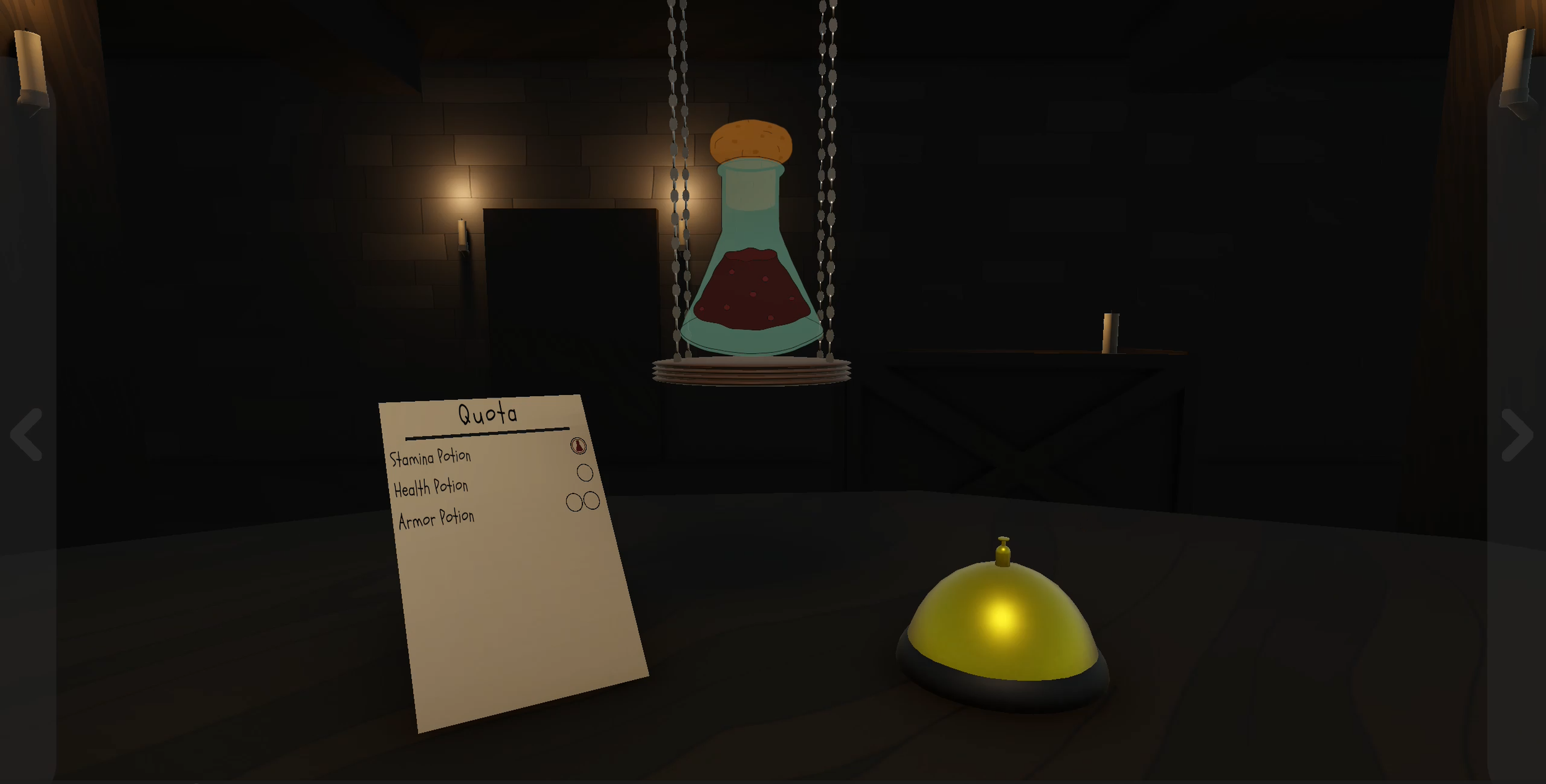
Brew below
Studio: Knights of the Island
Role: Lead Director, Animator, Gameplay Designer
Project Summary: Brew Below is a survival-horror game created for Scream Jam 2025. Players are trapped in a dungeon, tasked with brewing potions for a mysterious figure behind a grate, racing to meet their quota while trying to survive. The game combines the 2D art style used in Wyshbound with a 3D environment to craft an immersive and eerie experience. Environmental and audio design work together to keep players on edge, ensuring that every decision feels tense and consequential.
Responsibilities:
Concepted the core gameplay flow, defining how player input, movement, and resource management interact within a confined space.
Designed monsters and NPC characters with behaviors tailored to the limited environment, creating dynamic threats that respond to player actions.
Built a persistent sense of unease through environmental design, sound cues, and enemy behavior, encouraging players to second-guess their strategies and make mistakes that heighten tension.
Developed animations and interactions that reinforced the horror and survival mechanics, ensuring consistent visual language throughout the dungeon.
Iterated on level layout and monster placement to balance challenge, pacing, and player engagement.
Accolades: Placed 23rd overall in Scream Jam 2025
Engine: Unity
Core Design Pillars
Stress Through Responsibility
Tension is driven by task saturation, not scripted scares.
Players must:
Memorize potion recipes
Manage escalating production quotas
Monitor environmental threats
Adapt instantly under pressure
The horror emerges from divided attention and forced prioritization.
Scalable Complexity
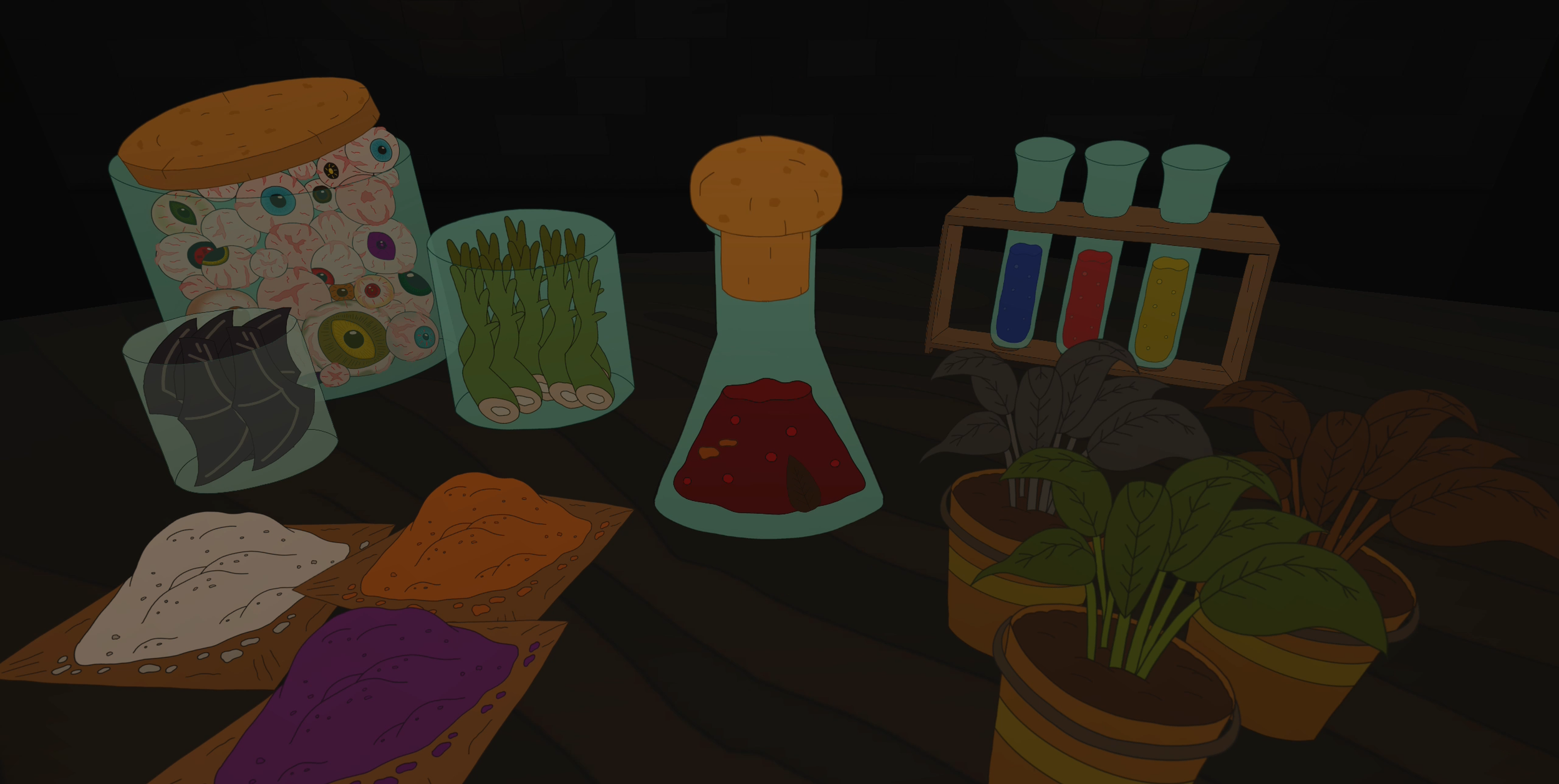
The brewing system was structured to create natural mechanical escalation.
Early Game
Small quotas
3-ingredient potions
Space to learn systems
Mid/Late Game
Increased quotas
Complex potions (simple potion + 2 additional ingredients)
Recipe memorization becomes critical
This structure reinforces mastery while increasing cognitive load.
Systems Design: Brewing as Counterplay
Early testing used a “spot-the-monster” interaction model.
This reduced risk and separated horror from the core gameplay loop.
We pivoted to a systemic solution:
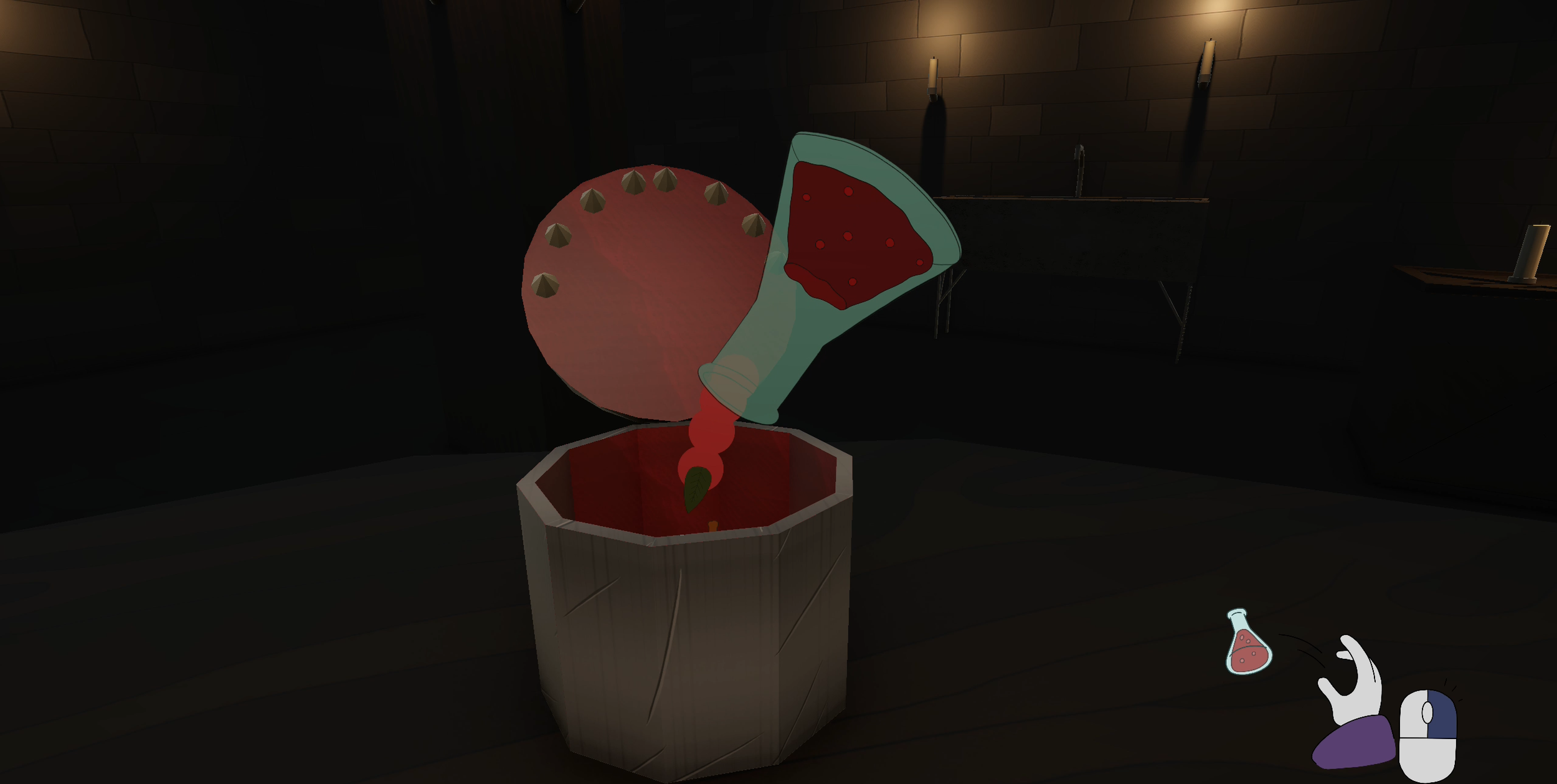
Each monster requires a specific potion to repel.
Potions must be crafted and physically thrown.
Some threats require complex recipes.
Result:
Monsters directly intersect with potion production.
Players must interrupt immediate task to address increasing threats.
Brewing remains central to both progression and survival.
The system reinforces itself instead of fragmenting gameplay.
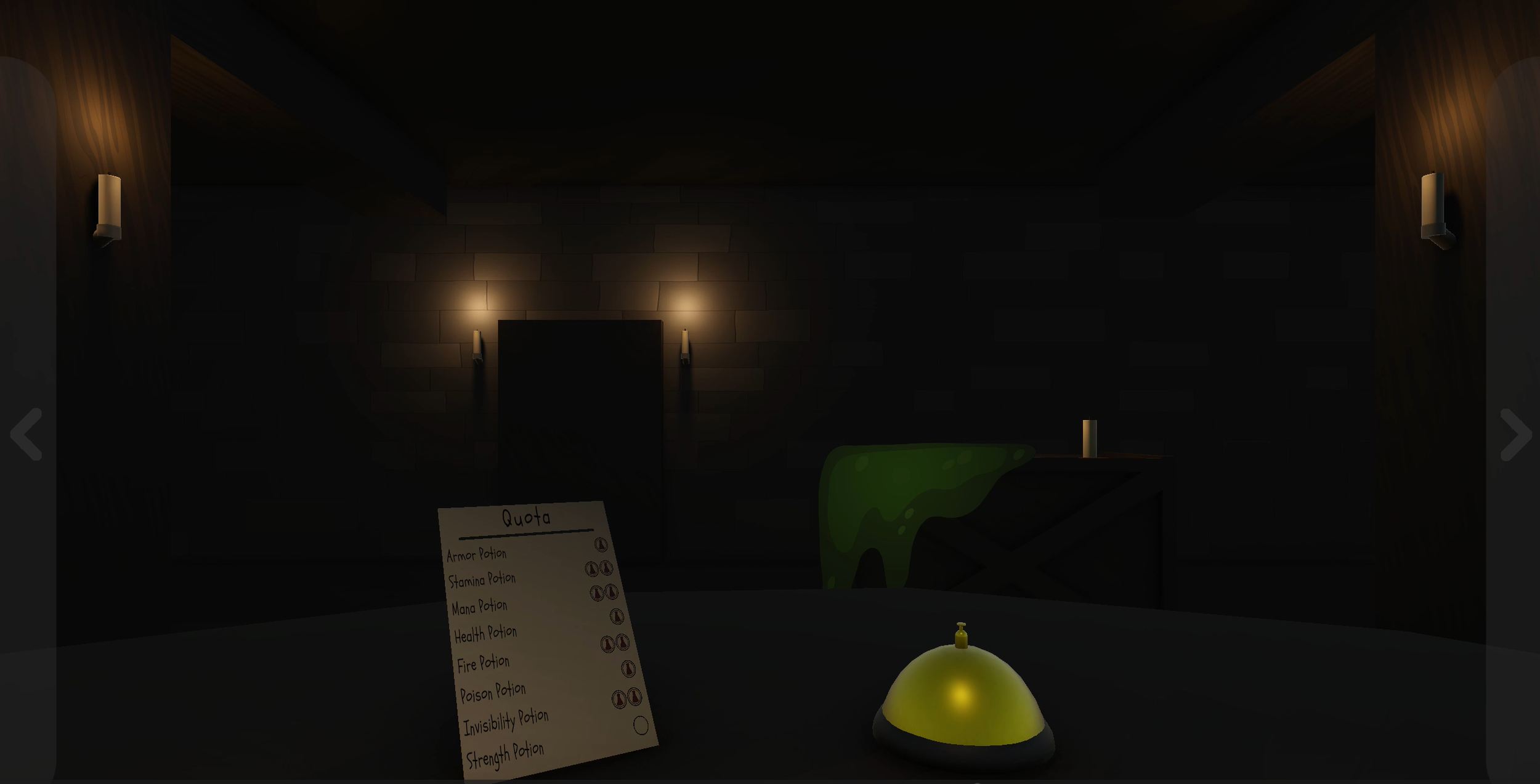
Enemy Design Philosophy
Enemies were built to complement spatial limitation and visibility constraints.
Because players are constantly:
Rotating camera
Checking recipe book
Managing ingredient stations
We designed threats that:
Hide within environmental negative space
Relocate during light flickers
Pressure awareness rather than trigger jump scares
Movement Solution
Due to jam scope limitations, full animation pipelines were reduced.
Instead, monsters relocate during light flickers.
This:
Increased paranoia
Forced scanning behavior
Reduced production overhead
Improved psychological impact
A constraint-driven design choice that enhanced the experience.
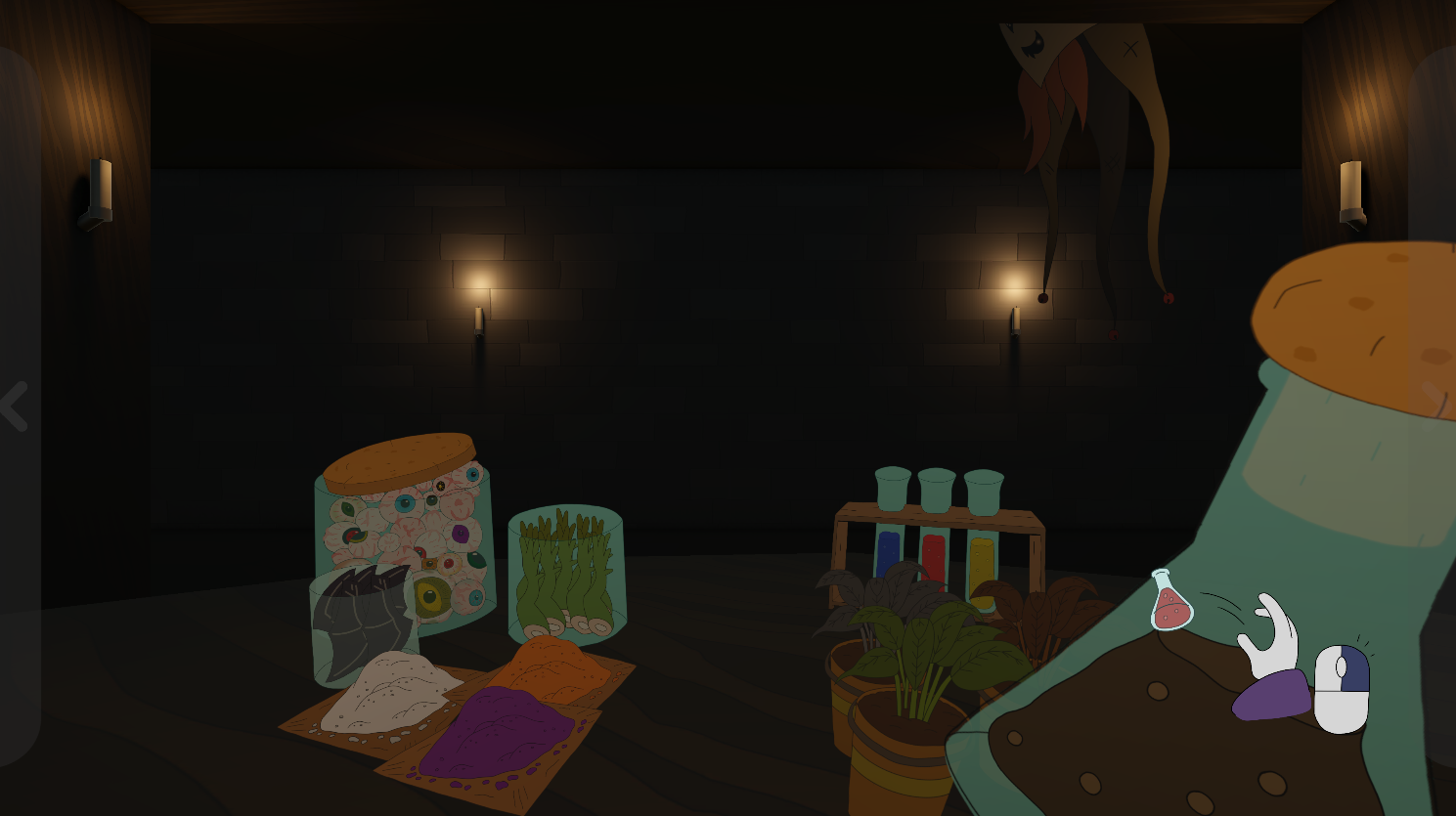
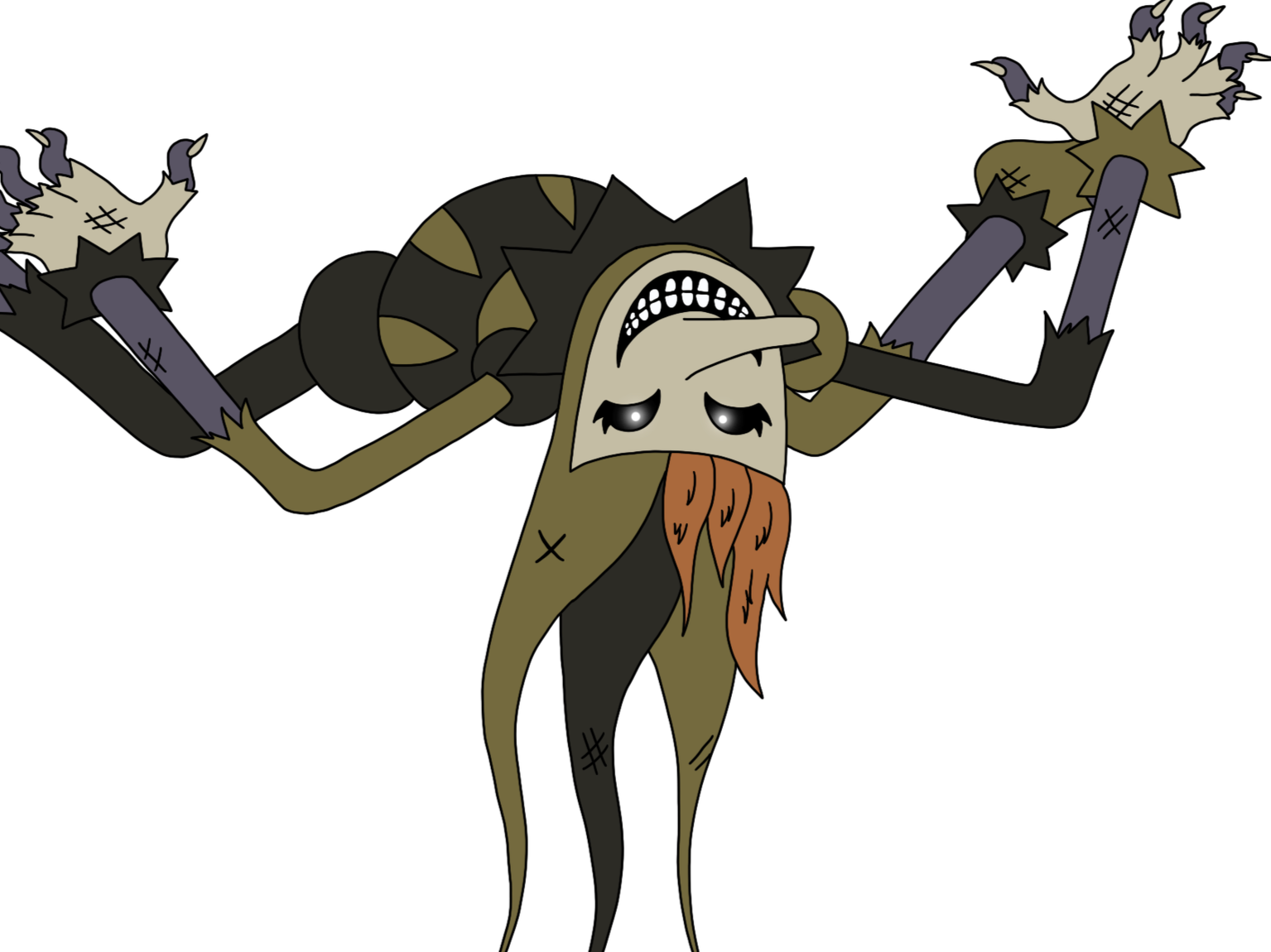
Encounter Design Breakdown
Spindle - Overhead Threat
Attacks from above
Audio cue: distorted sleigh-bell tones
Visibility through high shutters
Movement speed scales per level
Purpose: Introduces vertical scanning and audio tracking.
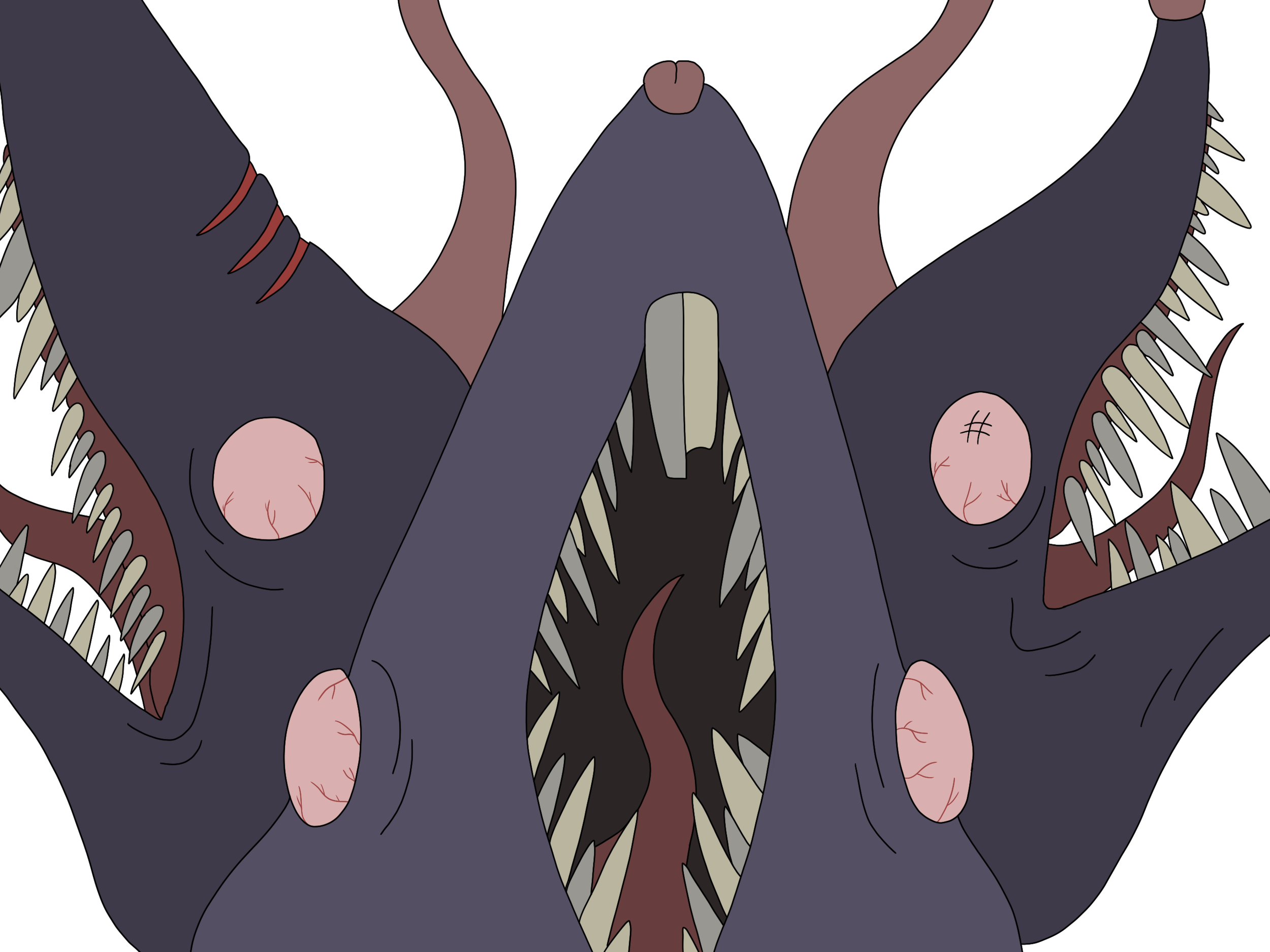
Wretchy - Ground Ambush
Emerges from sewer grate
Easily overlooked origin point
Requires complex potions
Purpose: Punishes tunnel vision and introduces threat prioritization.
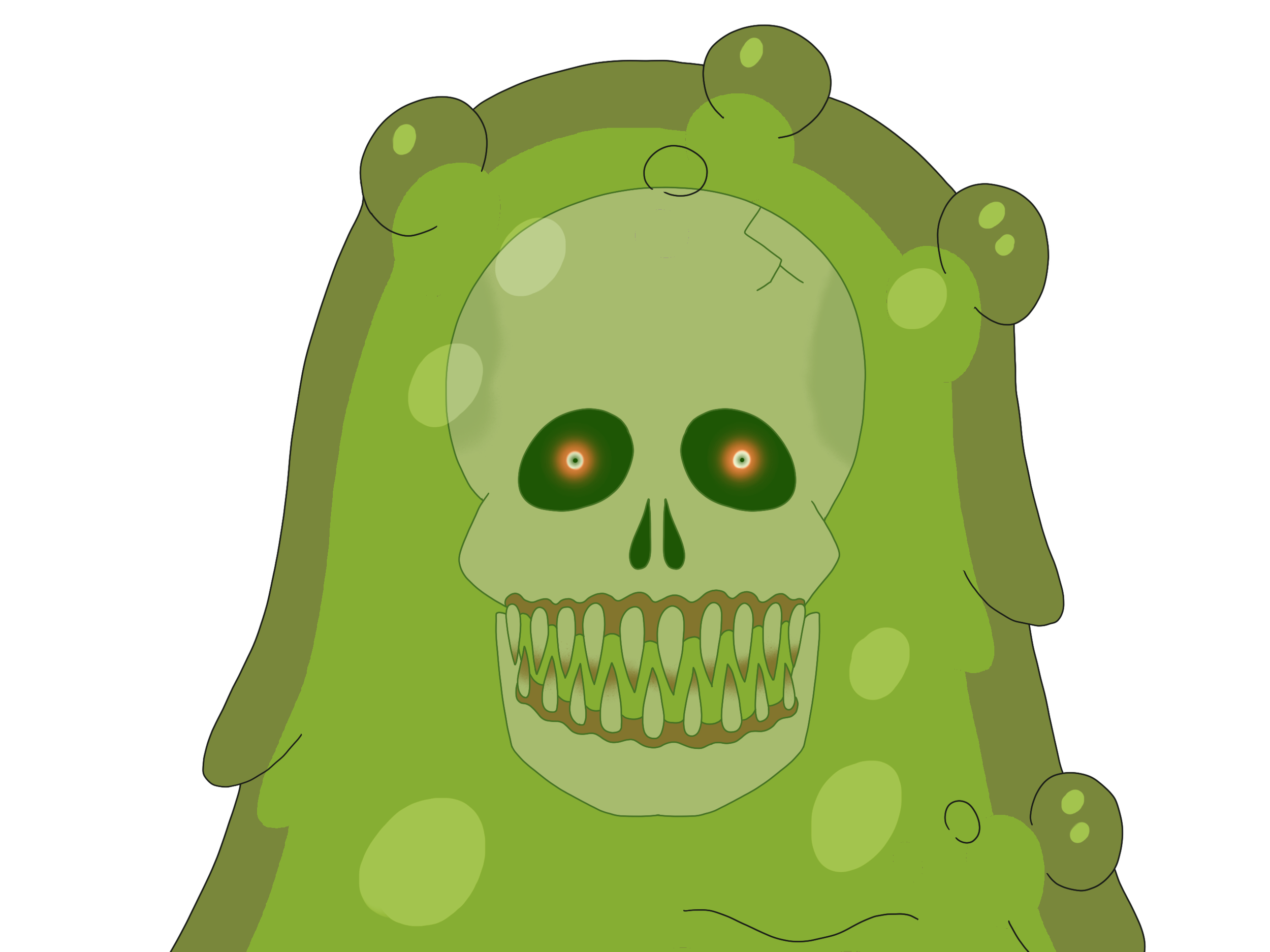
Skooze - Unpredictable Variable
Traverses ceiling and floor
Mix of obvious and subtle telegraphs
Forces high-frequency environmental scanning
Purpose: Disrupts pattern recognition and increases cognitive strain.
Environmental Design
The dungeon was designed to feel antagonistic.
Key elements:
Low visibility
Oscillating light source
Ingredient silhouettes blending during light swings
When lighting shifts:
Ingredient readability drops
Memory replaces visual clarity
Stress compounds naturally
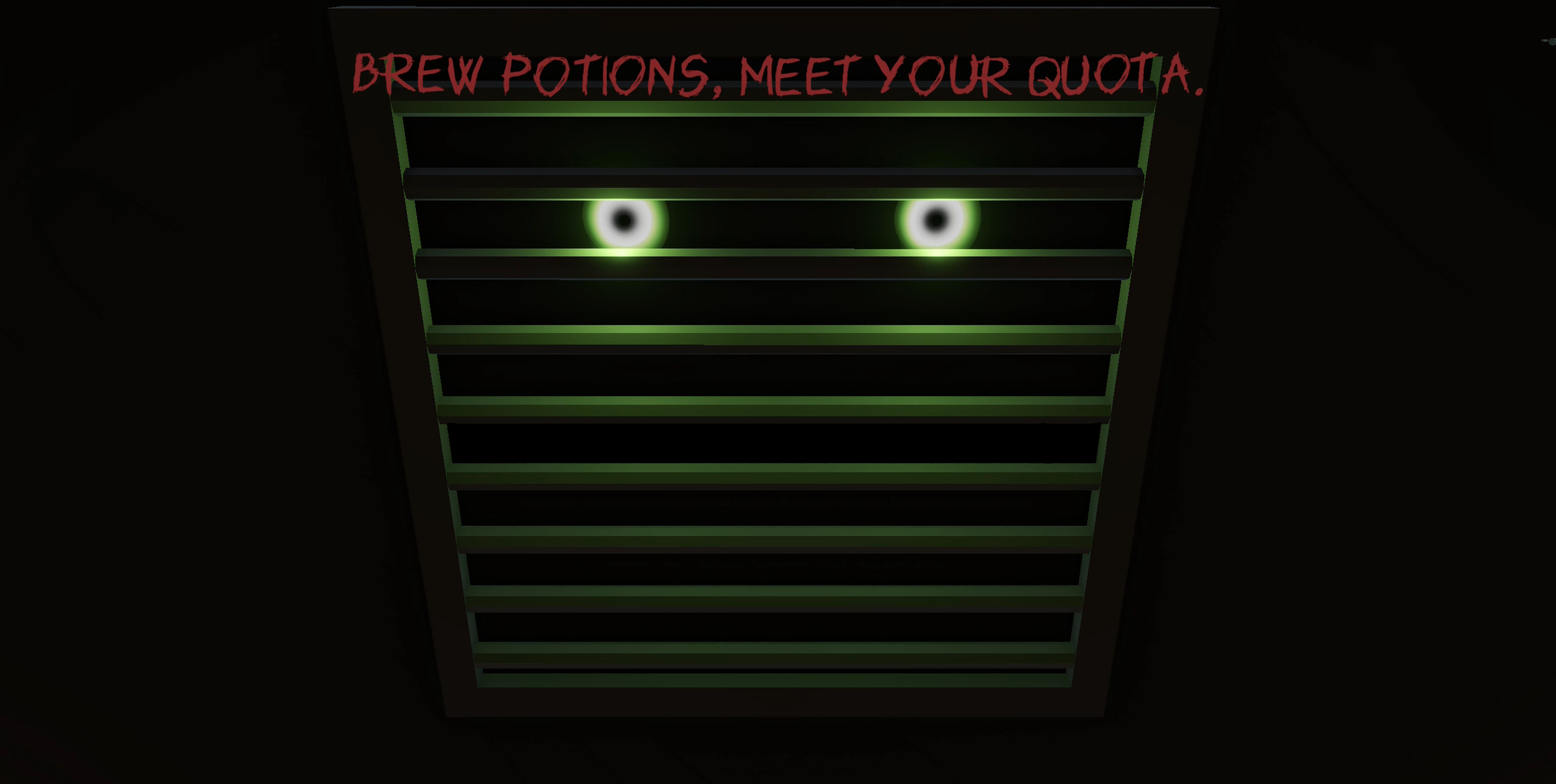
The “boss” remains unseen except for a pair of eyes behind a grate.
No exposition. No safety. Only surveillance.
Production Scope & Key Takeaways
Brew Below was developed in one week for Scream Jam 2025, placing 23rd out of 900+ entries. Working within a compressed production timeline required deliberate scope management and rapid iteration.
As Lead Director, I defined the core design pillars early, ensured all mechanics reinforced the central stress loop, and aligned audio, enemy behavior, and environmental systems toward a cohesive horror experience. Time constraints required creative solutions, such as using light flickers instead of full animation pipelines, which ultimately strengthened the psychological tension of the game.
This project reinforced several key design principles:
Tension is most effective when embedded in the core gameplay loop rather than layered on top.
Cognitive overload and task saturation can drive horror as effectively as direct pursuit mechanics.
Production limitations can enhance design when leveraged intentionally.
Clear systemic counterplay strengthens player agency even in high-stress scenarios.